All Posts Tagged ‘travel

Post

Seeing It All (feat. Istanbul in December)

Leave a reply

There’s a song that goes “I can see my whole life when I’m with you,” and isn’t that the truth about so many beautiful things—a quiet sunrise, a bellowing laugh with a sibling, a hand from a partner you love and trust, a warm plate of home cooked food that awakens the most ancient parts of your being, a knowing hug from a parent after a hard year, a good friend who feels like coming home.
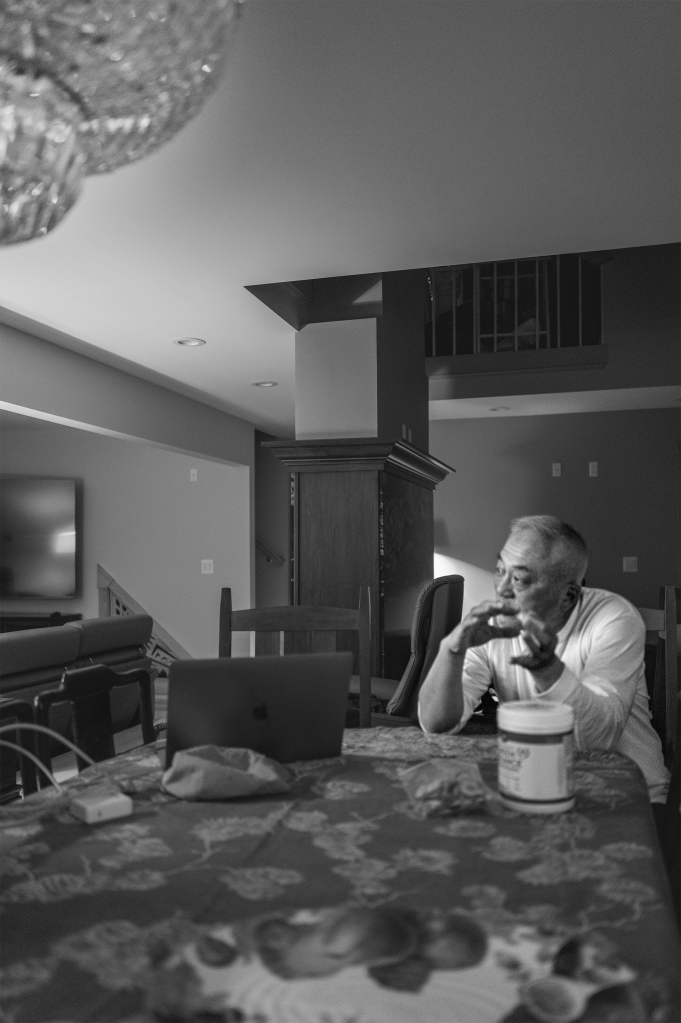
I spent the holidays with a smattering of closest friends and family, completely ensconced in their warmth, their love, their back-and-forth-and-this-and-that, their laughter that fills my soul with unspeakable peace, ease, and joy. Anne traveled in Jean Claude in a near sleepless, frosted winter drive from NY to Ann Arbor to spend Thanksgiving with us for her first Family Thanksgiving. We slept in the same room and made sweet, sweet chit chat (and the occasional—ok maybe more than occasional—doom scroll click clack) falling asleep together night after night. We made hundreds of jiaozi (and, importantly, taught Anne how to fold them like an authentic Chinese—out with the gyoza, in with the jiaozi!) to feed our twenty beloved guests, all progressively stuffed from one hot dish—and one hot buttered libation—after another, courtesy of Choctor Gao and Cocktail Extraordinaire Deedz.
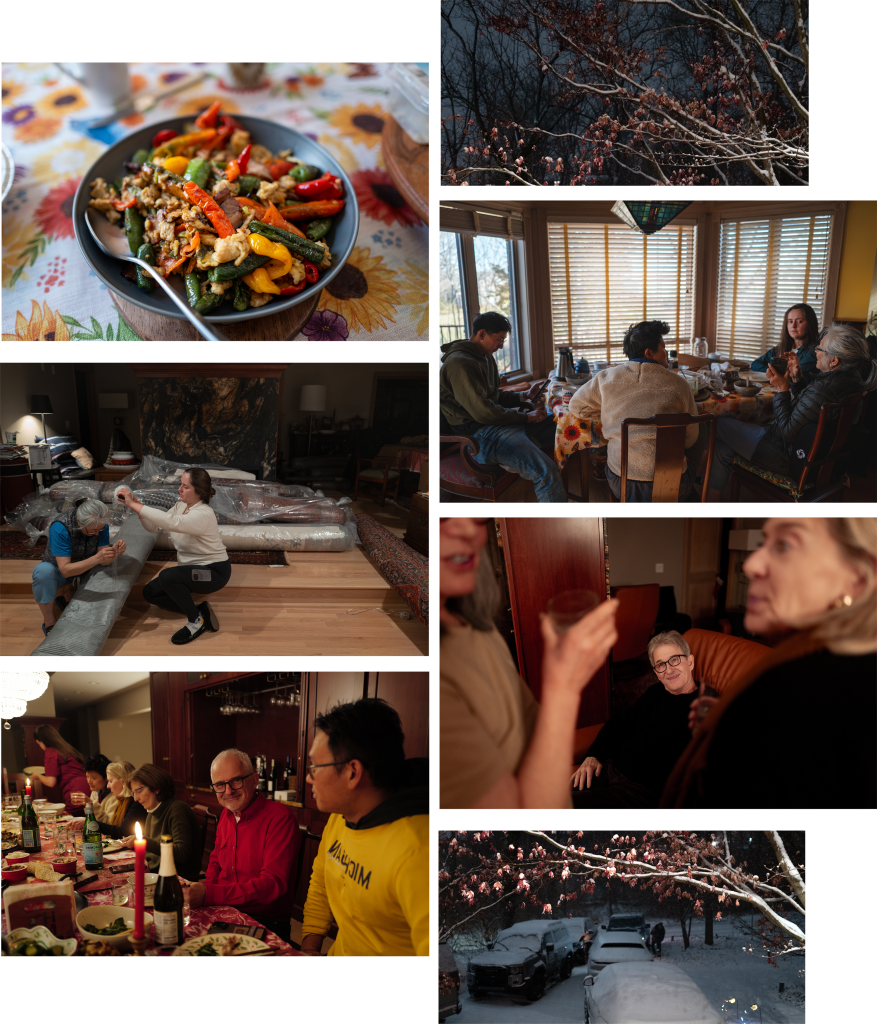
We stomped and sat in the blistering snow as we watched Michigan get pummeled by OSU in the Big House (nevertheless GO BLUE!) as we tried to keep our toes from fully detaching into the beds of our frozen shoes. We helped Marilyn move rugs from here to there and then back to here again. We watched The Godfather on the new 80” TV, which, although cartoonishly large, is the only proper way to watch such a masterpiece. We filmed content for our aspirational vlogs (Anne’s less aspirational than mine, in that hers is). We daydreamed business strategy and exchanged salacious gossip with Louisa and Lama. We got metaphorically and literally gassed up on Yemeni chai with Kasey as we spun out on our existential crises. We laughed feverishly while spilling allllll the hot boy tea with Elie and Maddie while being assured by Dana, their mother, that plenty of women have kids in their forties. “It’s normal.” 
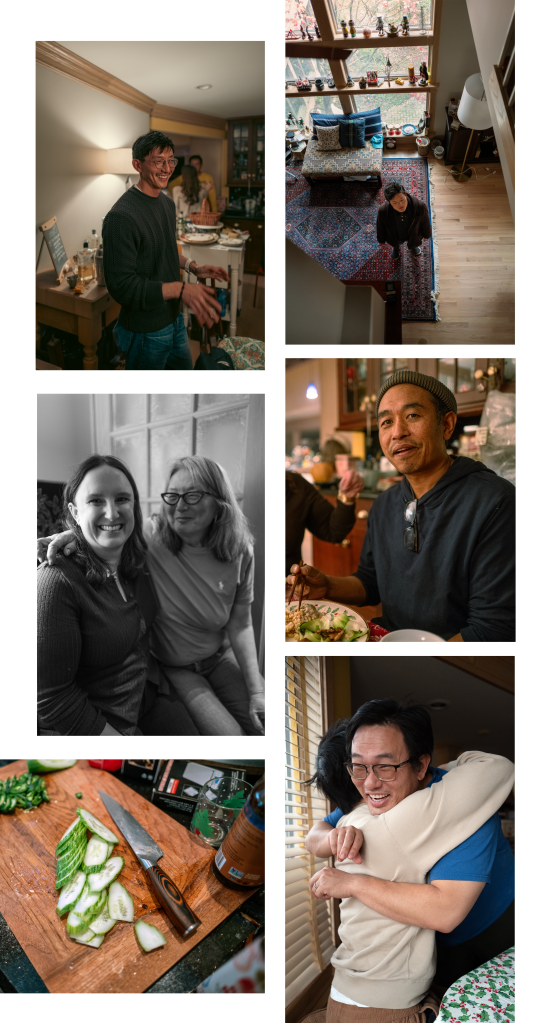
This, followed by a week in Stephen and Melinda’s care, who came home with coffee that I Most Definitely Wanted but hadn’t thought to ask for, who called me every day after work out of habit (and/or to make sure I hadn’t burned the house down), whose friends gave me counsel on topics of my life that even I’m bored by, who continuously remind me as an active practice of their lives how much love and care I’m nourished by.

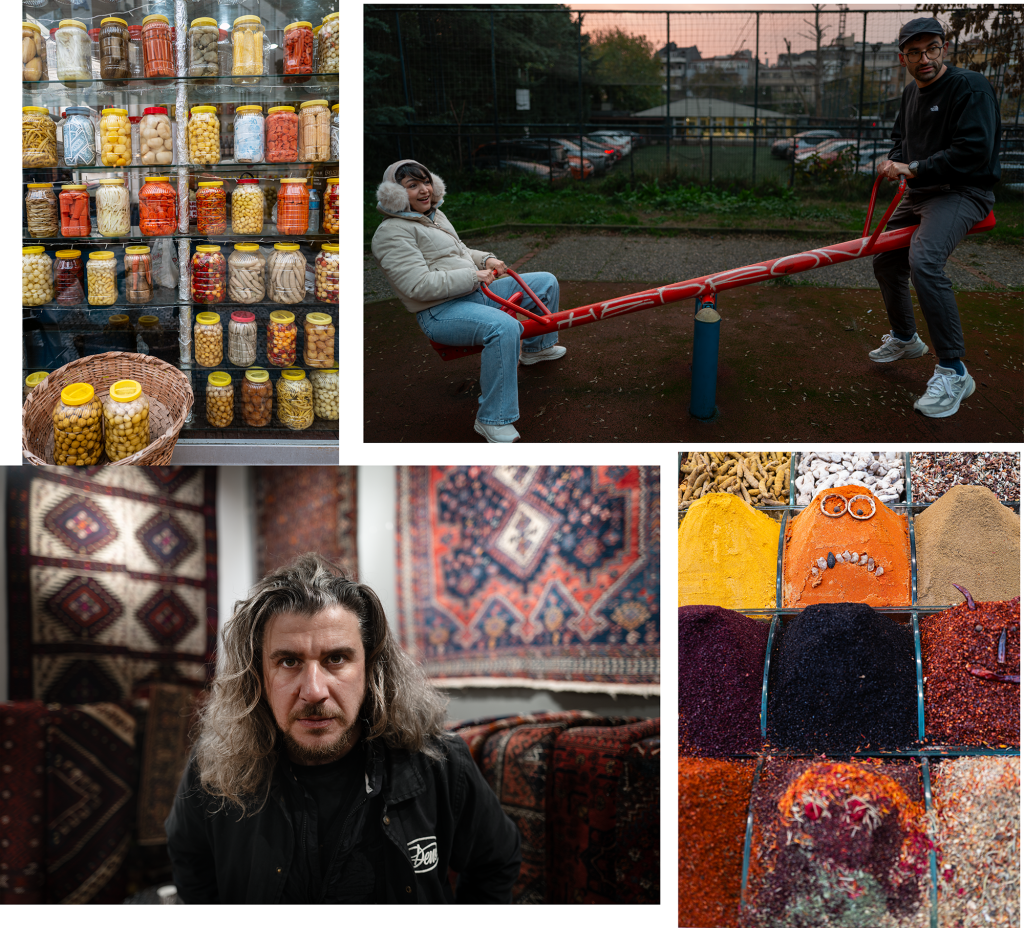
And, finally, although certainly not the footnote, traveling to Istanbul to meet Ehsan and his family in what feels like a whirlwind fantasy of both everything that I had desperately hoped for and also somehow had already known the truth of. The overflowing warmth and love and thoughtfulness and laughter between Ehsan, Leili (aka Mommy), Parisa, Simin, and Nafese, and the same with which they enveloped me was nothing short of a Christmas miracle—a miracle in meeting souls who give you their heart and mirth as you give them yours, not as an obligation of formality, but from the shape of their character. 
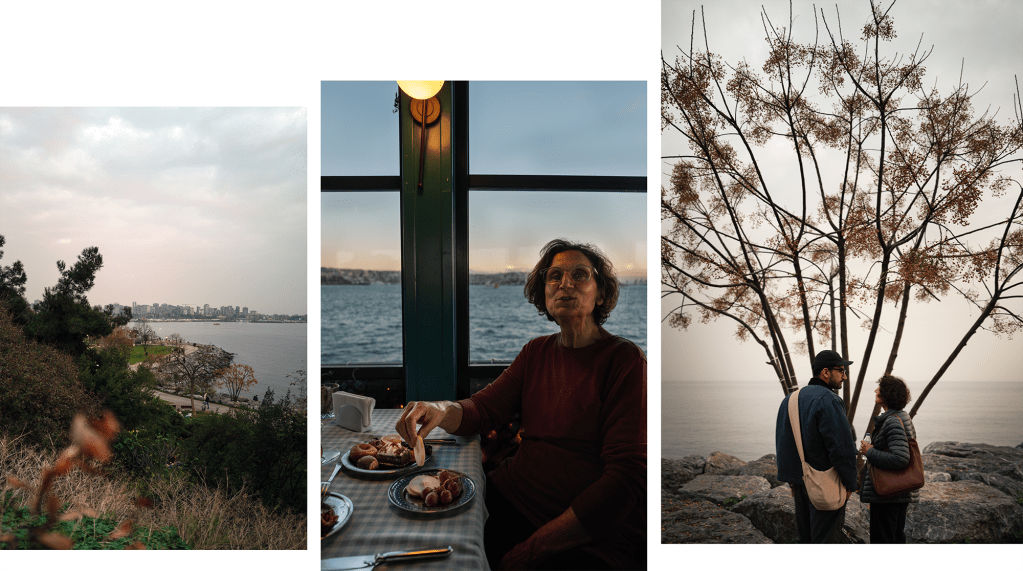
Each morning, Mommy would have, in addition to meats and breads and delectable Turkish delights, a large plate of unseasoned vegetables comprised mostly of cilantro, a rotating selection of miscellaneous lettuces, and, her favorite: sprigs of mint. And each morning, she would pull off the tender tips of each (saving for herself the brittle, coarse bits), and offer it to me, to Simin, to Parisa, to Ehsan—a wordless bid of love that was both quotidian and casual, and yet felt heartfelt and profound.

Though Mommy and I had no overlapping language, I was touched by the myriad of ways that we all wordlessly cared for each other in the small, everyday moments that constitute the most profound language of all—an inviting smile, gregarious laughter, scanning to make sure no one was swallowed by the crowds of the bazaar or the masses of the streets, sharing the best parts of your food with each other (as Ehsan would say, never trust anyone who doesn’t share the food from his plate), a hand on the elbow to usher others first, and animated conversations amongst ourselves, translated back and forth by Ehsan when needed so that no one stood the odd woman out. All of this, again and again, and then again and again.

Each of these moments felt like I was coming home—proof of the beautiful fact that love and all of its bountiful promises exist as simply and cleanly as the double helix of our DNA, if only we’re so lucky to find it.
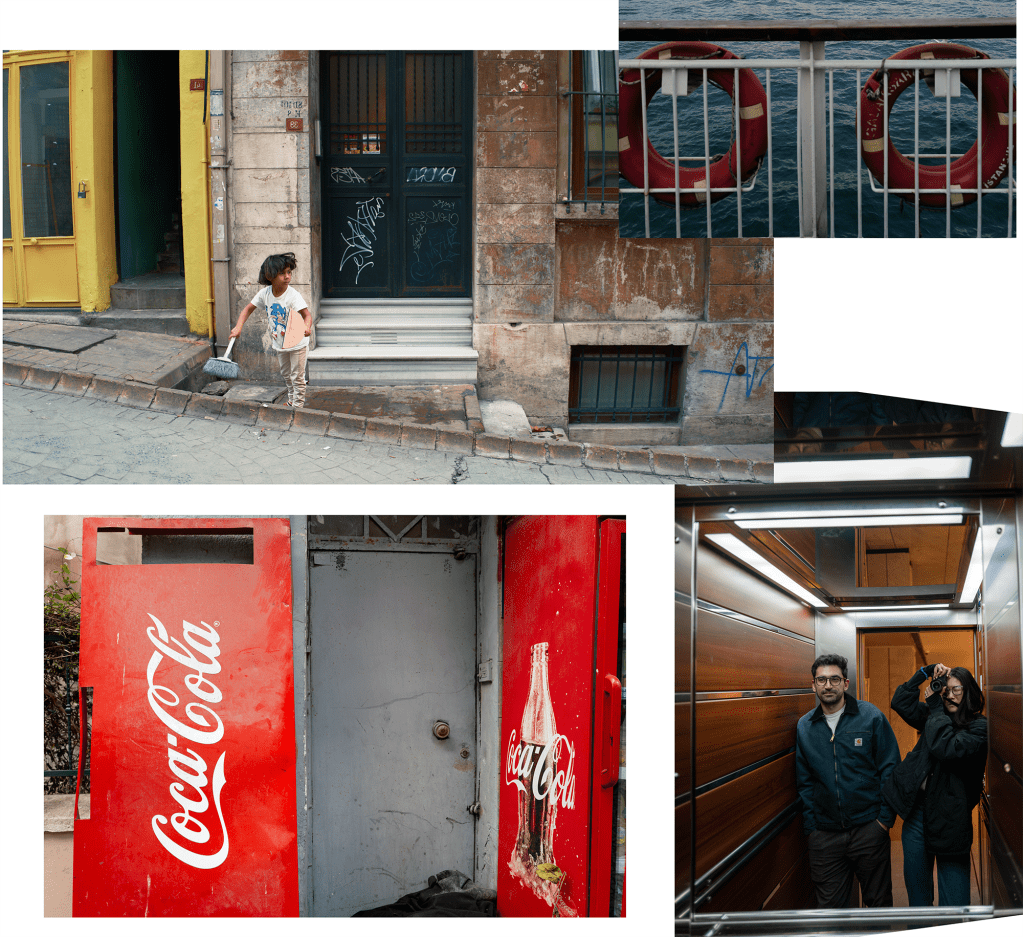
One night, while walking home from an enchanting Christmas boat tour filled with bottomless meats and spreads and baklavas and cauldron upon cauldron of Turkish tea, I watched as Ehsan and Mommy walked side by side, talking and laughing like two old friends for whom no time had passed since their last meeting, rather than a mother and her son split across continents. As I took in the ease of their conversation, the palpable bond of their relationship that somehow transcended child and parent, the genuine joy of their laughter, Simin knowingly walked up beside me and asked “aren’t they cute? They talk twice a day, every day.” And with that, I understood the source of how, despite all of Ehsan’s problematic hot takes and pathological obsession with his “favorite kind of C” (I’ll let you figure that one out), I’m able to know the warmth of his being, to hear the love in his laughter, to feel his thoughtfulness in our friendship, despite all of his sardonic protestations otherwise. Some things are simply in the blood, and bless the women who pass it through this world. 
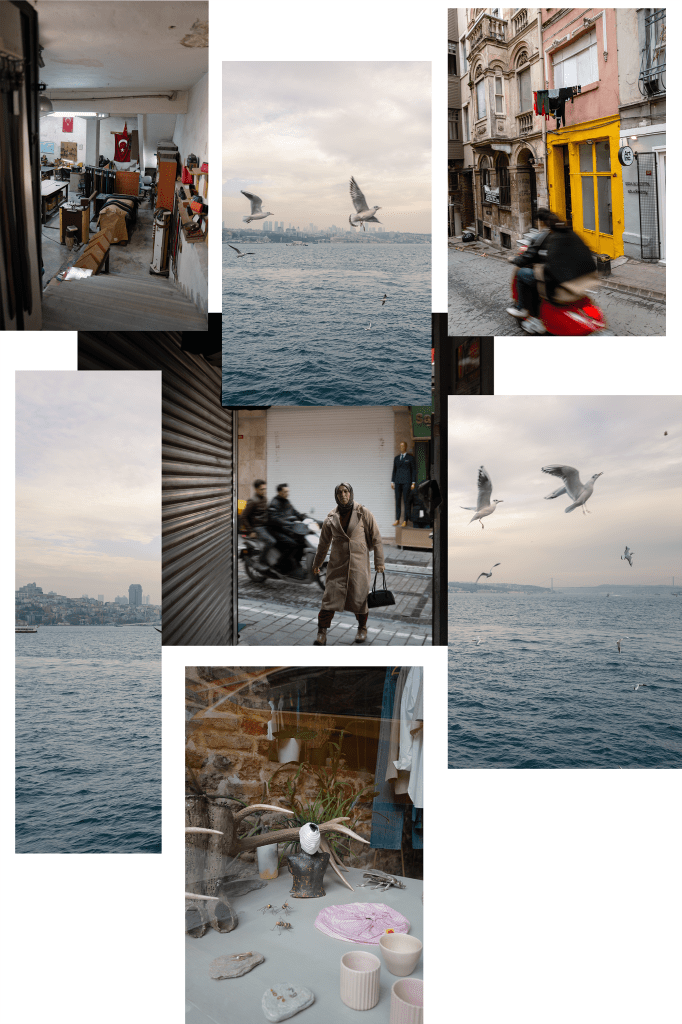
We talked the rest of the way home, Simin and I, about family—hers and my own—and its meaning and importance in our lives, feeling kindredly spirited as we walked in tandem beside Ehsan and Mommy who filled the streets with laughter (and shoutout to Parisa trailing somewhere nearby lol). 
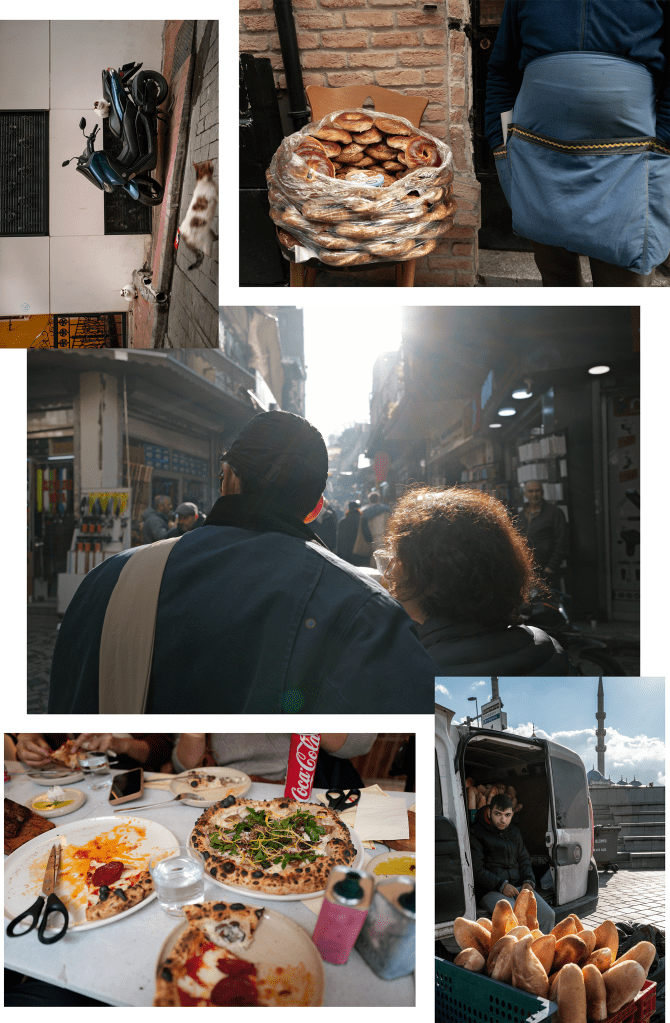
I find myself humbled again and again by the people who stand by and with me through life, who show me the path and walk their walk so that I might be a little bit less afraid to walk mine. 

From the words of Alina Baraz,

Is it me? Is my intuition wrong, or does it feel like coming home? Cuz it’s almost like you speak my language. 

I hope we are all blessed with those most special souls who “speak our language”, and (!) that we trust our intuition to recognize those who don’t, and offer them peace, even if they’ve robbed us of our own. To everyone who helped me end this year better than it started, I can see my whole life when I’m with you. 

 On to 2026, the best yet (or so help me God)!
Post

Scotland, from a million years ago

1 comment

Almost ran off a cliff, fell into the gravity of a time-bending book festival on the Isle of Mull, gorged on the Scottish delight that is blood sausage, witnessed in the love and union of Camille and Gwen, met *the* Highland cattle, shared time and space and laughs and life’s deepest ruminations, and, as always, photographs with friends, old & new alike.

November, 2022.

Post

China Part I: Shanghai

7 comments

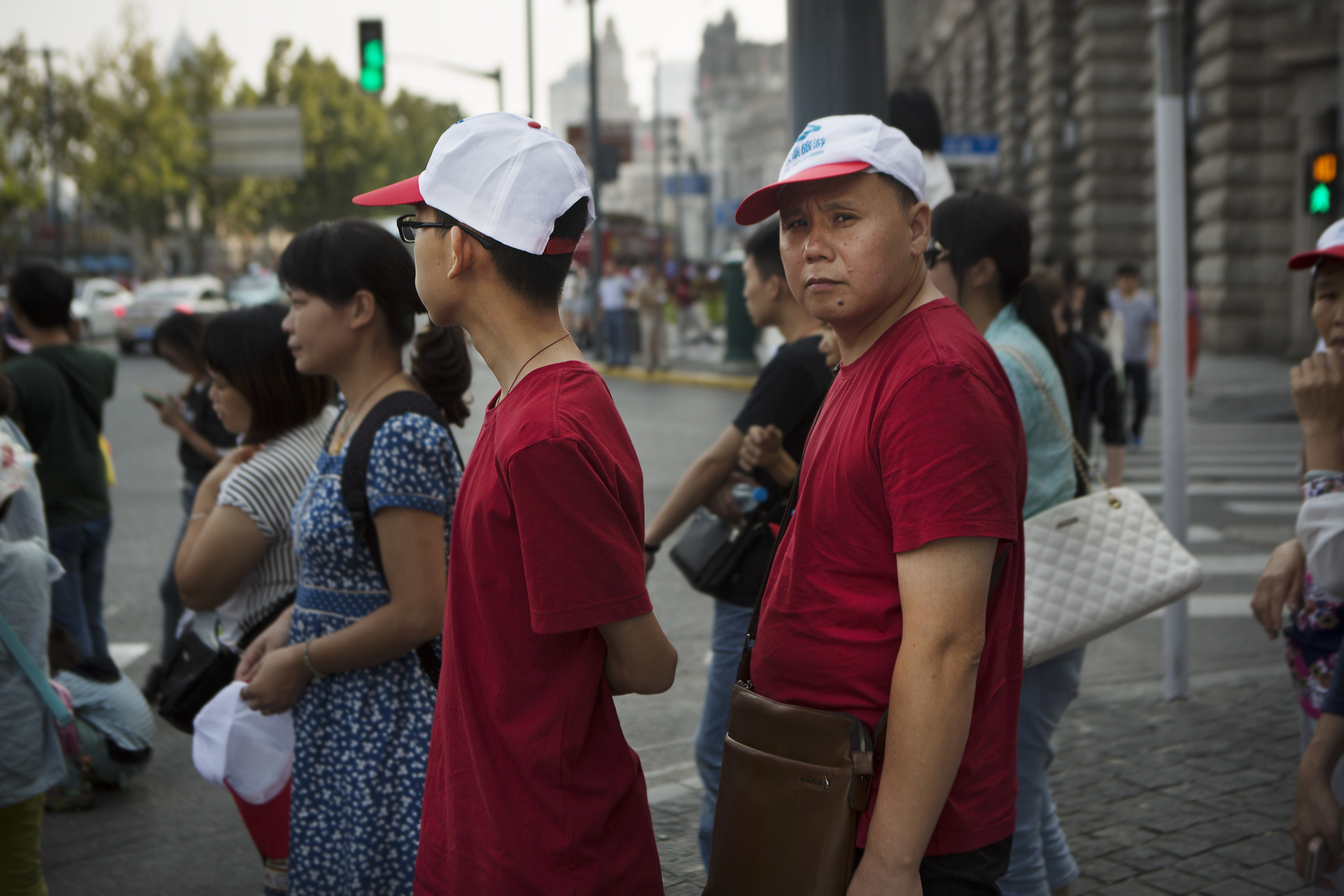
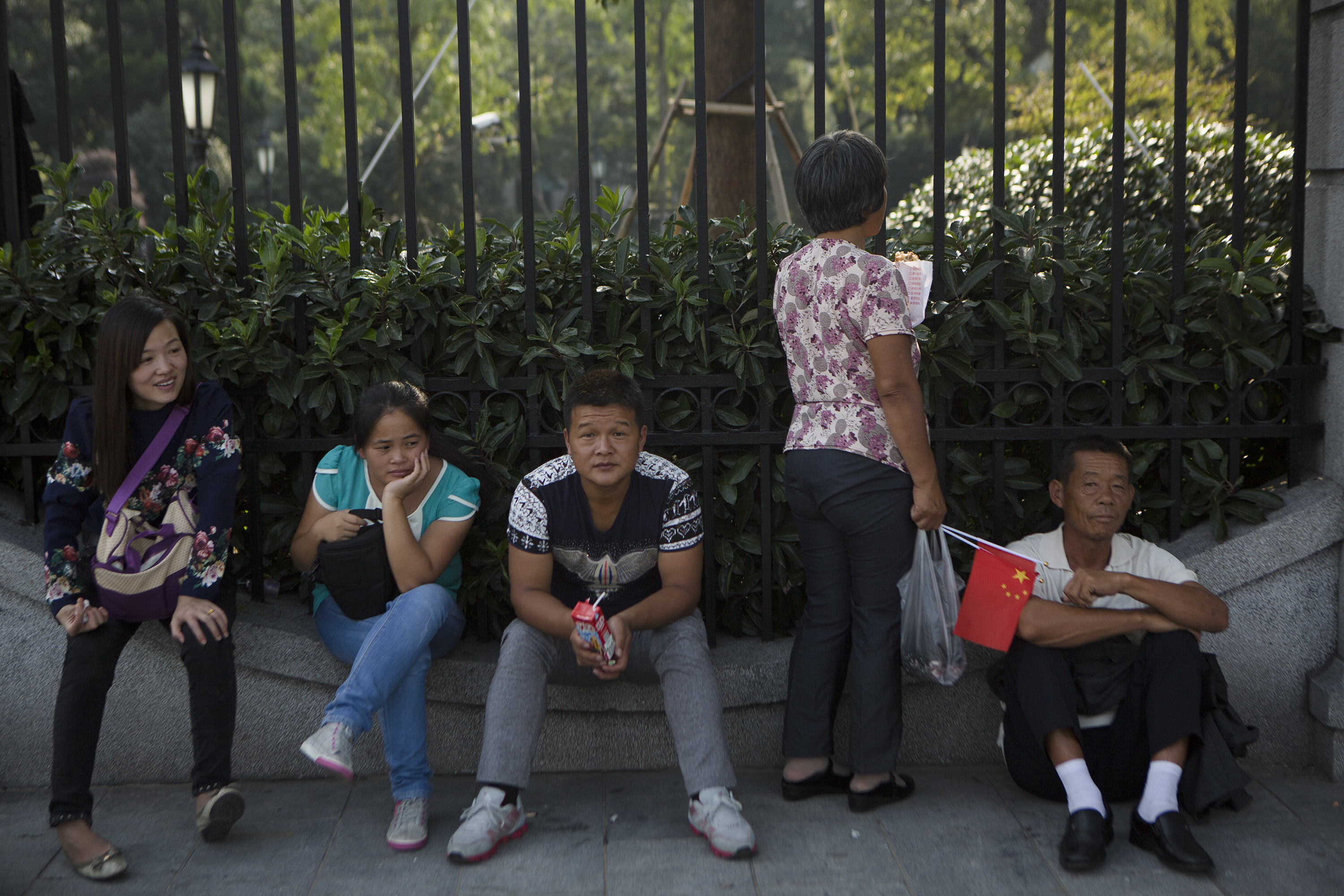
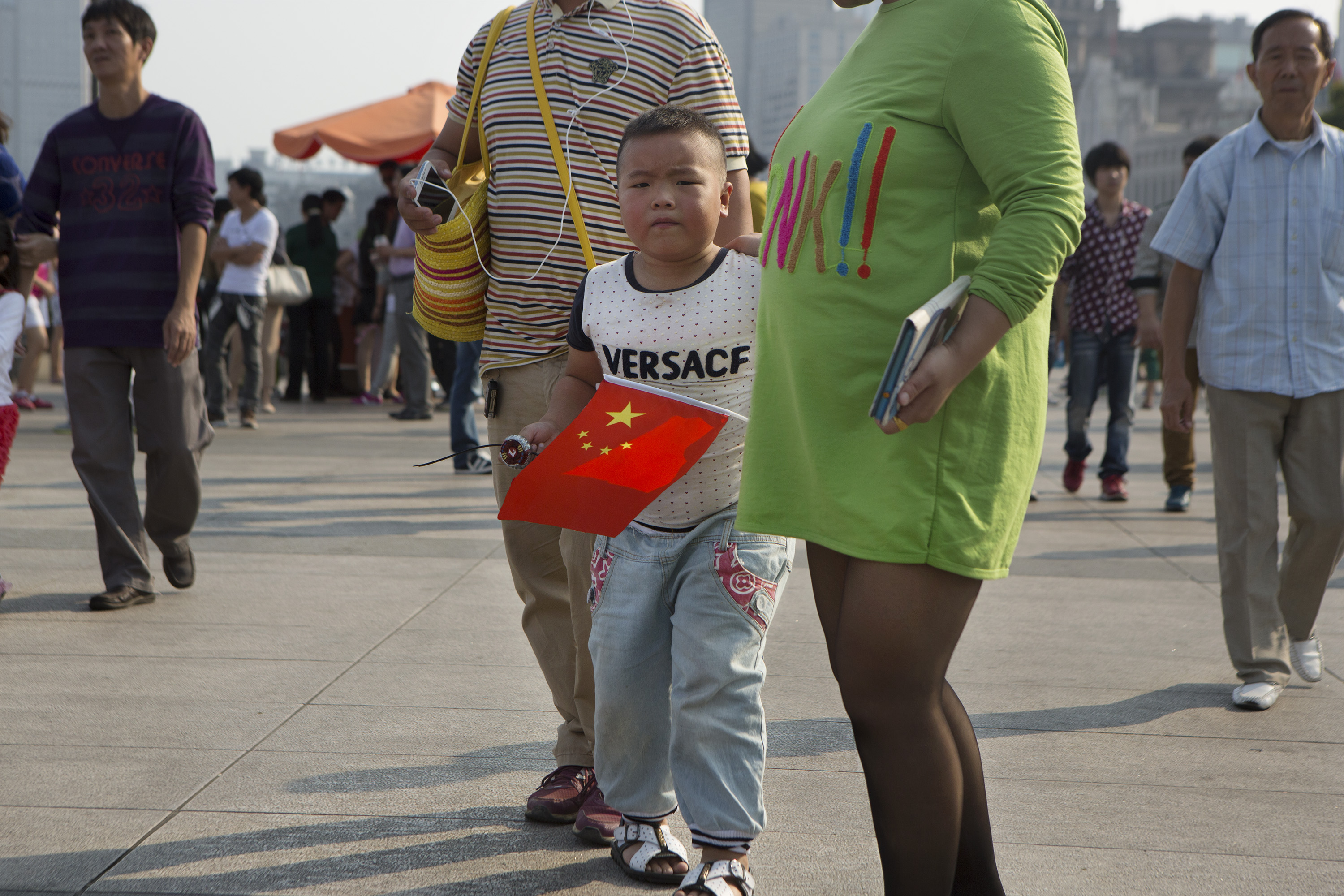
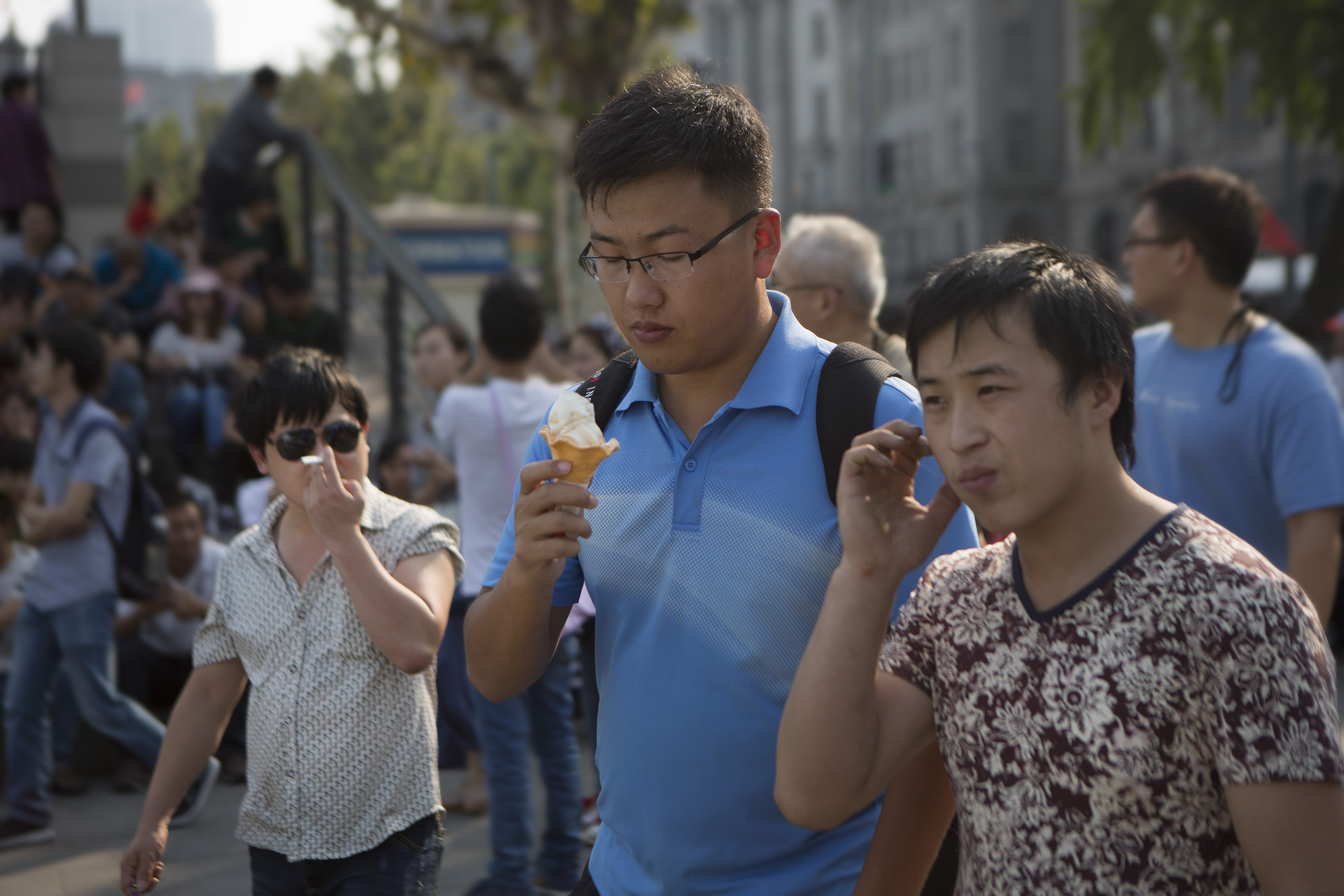
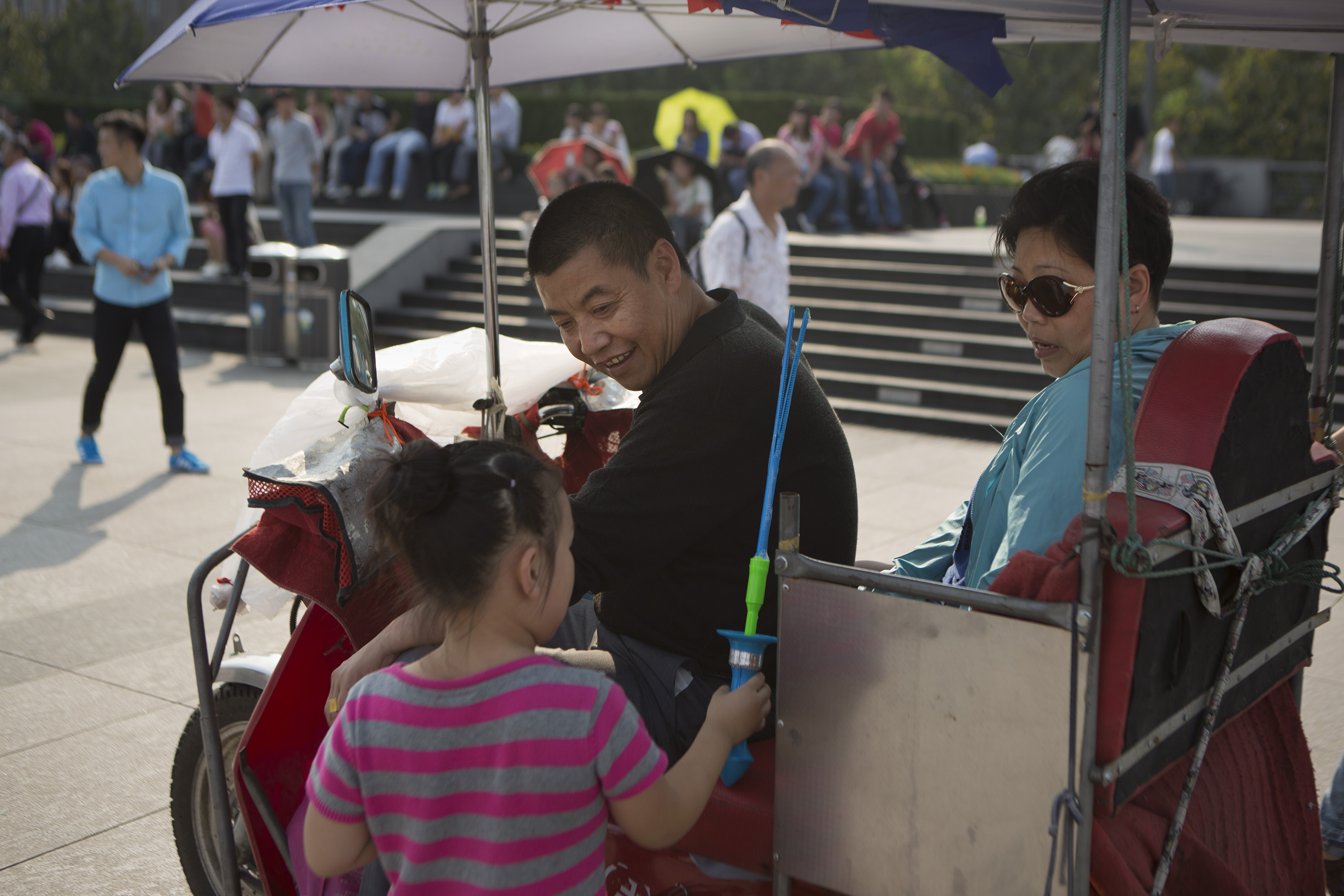
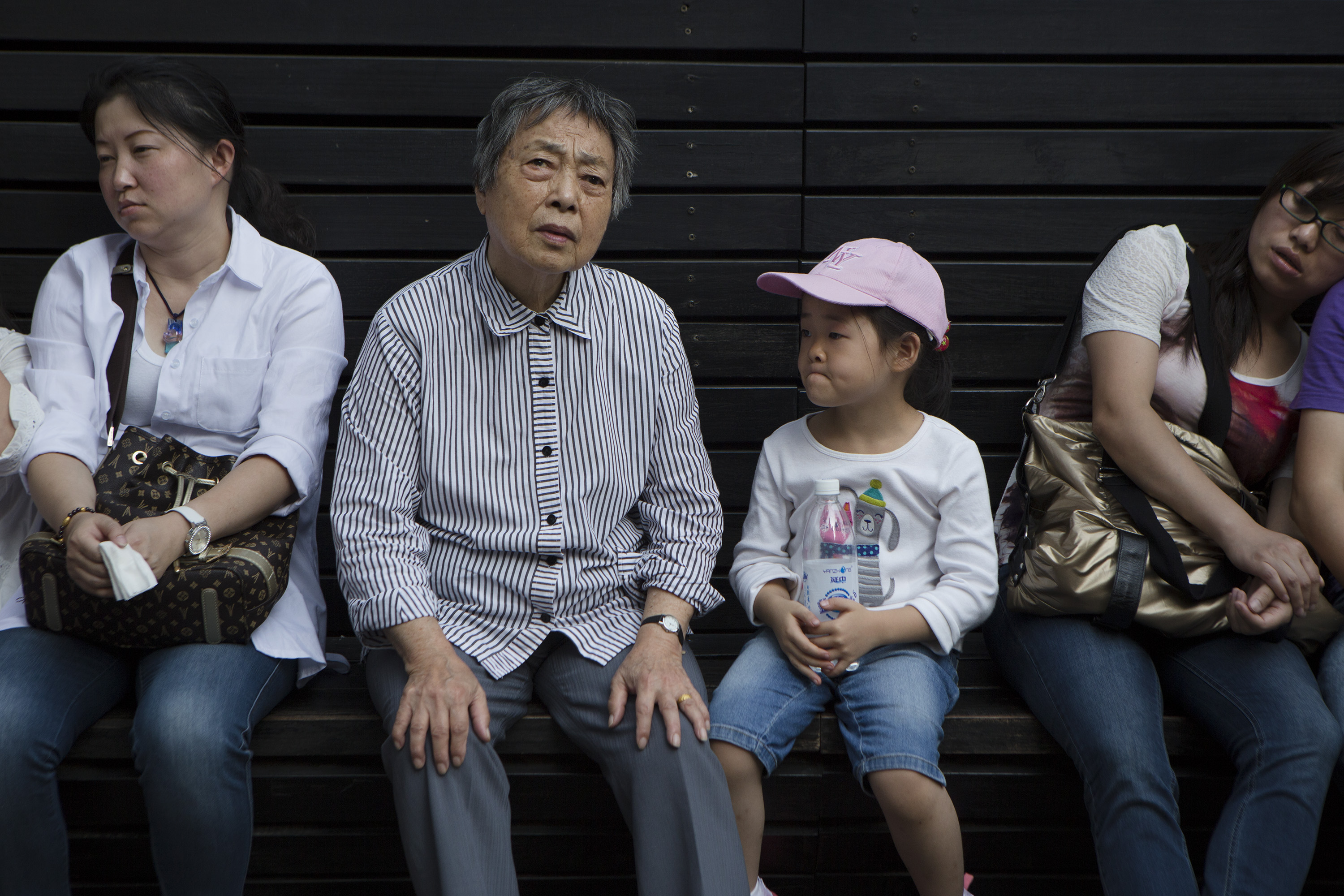
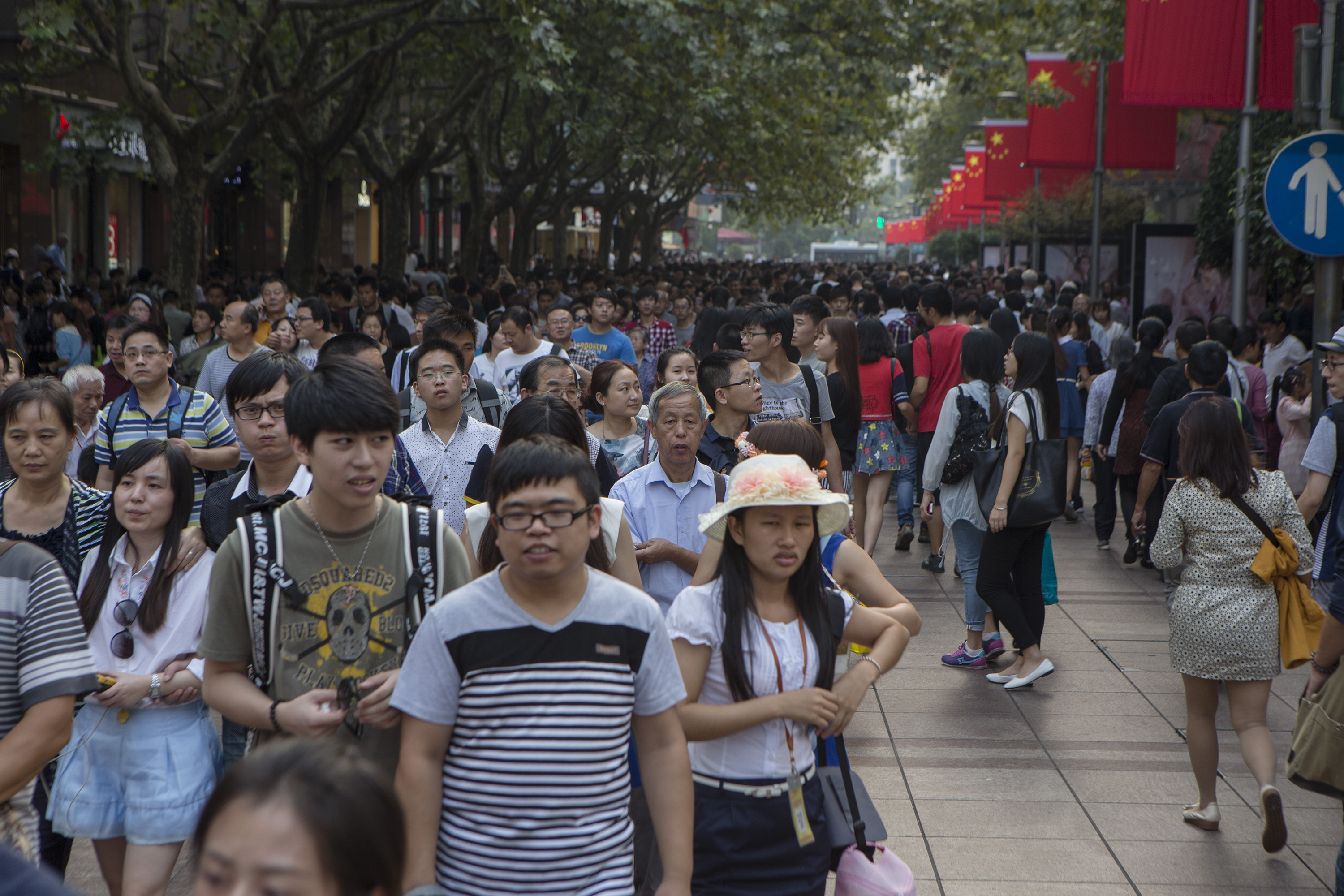
As some or less than some of you may know, after a grueling 9 months in the real world, and perhaps at the brunt of it all in the sweat soaked streets of Manhattan, I sought respite through a 4 month vacation (that is still largely ongoing) beginning in China, specifically Shanghai, Beijing and Hong Kong. For the first few days after landing in Shanghai I felt really good, maybe a little too good. There was something very unusual but also incomparably comforting about entering into a sea of bodies just like mine that made me feel at home even though I was thousands of miles from it. The first week in Shanghai was a national holiday so everyone was off work and on the streets, slowly ambling along the river that separates the old Shanghai from the new.  You couldn’t escape the luxuriously slow rhythm both because people had nothing else to do but enjoy the sun and also because it’s nearly impossible to upset the pace of a million people walking in tandem. It’s hard to explain the “at oneness” I felt there, maybe it was the realization of my unconscious habit to give a tip of acknowledgment or self effacing smile to Chinese couples on the street or to groups of mandarin speaking cliques moving inseparably through crowds of brown and blonde hair, or maybe it was looking around and seeing every phenotypic variation of myself without the need for that same reminder of solidarity.  The fact that I pored over thousands and thousands of faces in what felt like complete disguise -no one had a reason to look or not look at me- and yet I wasn’t incognito, I just was without any need for explanation or justification. I was just another face in an ocean of black hair and brown eyes, which surprisingly made me feel even more welcome.

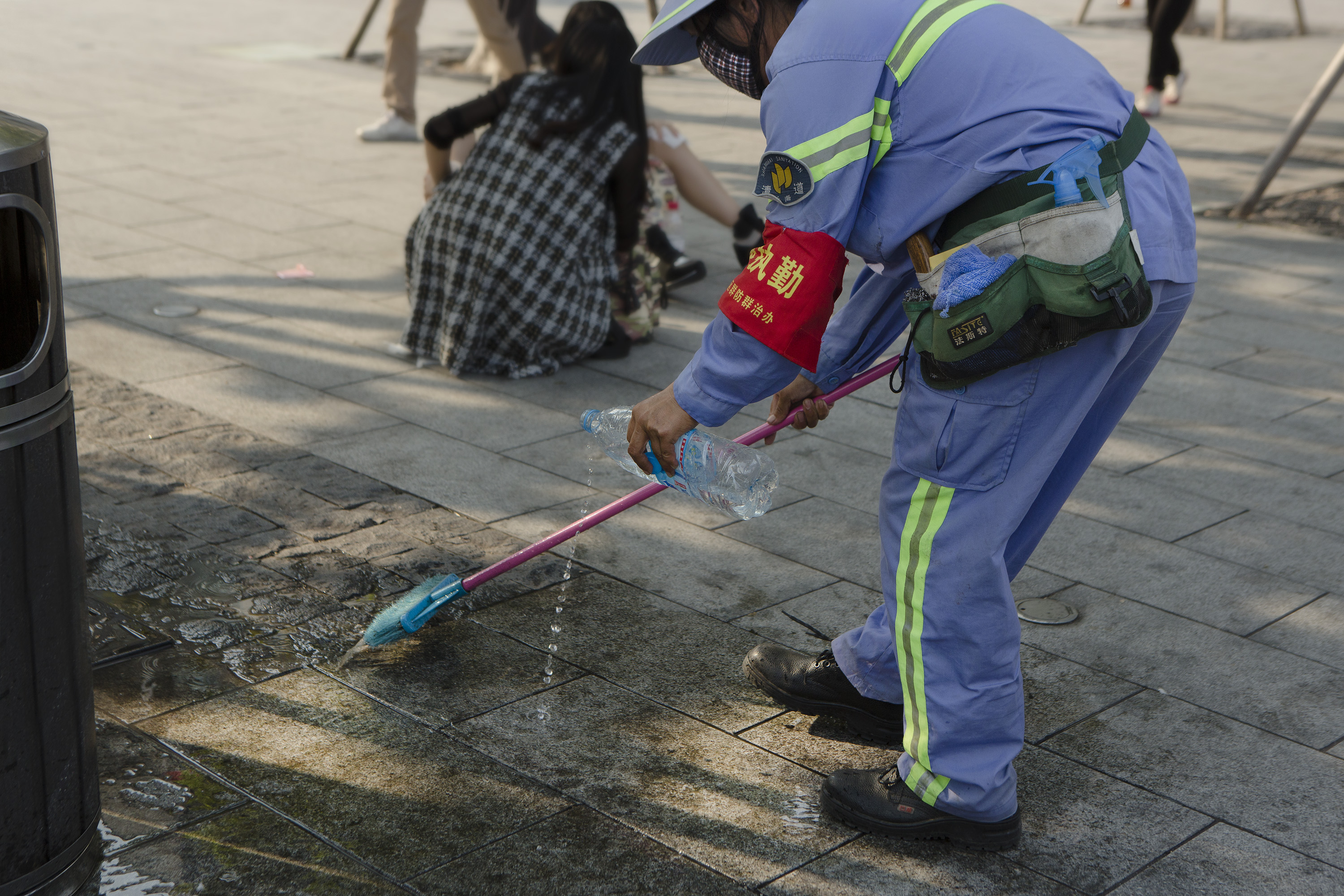
But eventually this romantic impression left me for a much less satisfying one. It wasn’t long after these first few days in Shanghai that I became increasingly annoyed with the different cultural norms that showed themselves at every available opportunity. Perhaps it was the brazen lady who shoved her way to the front of a dense mass of people waiting altogether civilly for their turn to get on the subway, or the middle aged man in a tank top barely big enough to cover his pouting belly who hocked a wad of semi opaque loogie right next to my foot, or the woman squatting at the top of a staircase refilling used and thrown out water bottles to resell downstairs while I looked on in horror, speechlessly shoveling boazi into my jaw dropped mouth. Yes, it must have been one or all or a lot more of these moments that made me crane my neck in nostalgic comradeship when overhearing a tourist say “general Ts-oh’s chicken please” or “no American toilet? Never mind then”

But then there were enchanted moments like when Jenny, the restaurants manager at the Grand Hyatt where I was neither a guest nor patron, walked me down deep into the mall to hand deliver me to a box of tampons that was so fortuitously the literal only box that it seemed as if it’d been hand selected and reserved for me, or UFC who drove us two hours to and from a sparsely populated beach framed by two heaps of seemingly floating mountain that looked straight out of the movie Avatar, or distant relatives I’ve only ever met once and ten years ago who treated me like a combination of their best friend and master.

Which leads me to a slew of somewhat obvious and less obvious conclusions.  I’ve determined the feeling, maybe even rush I got when I first arrived in China is similar to waking up on a Saturday morning, strapping on my maize and blue and making my way to the Big House for a fall afternoon football game–everyone’s fumbling through the streets as obnoxiously as you, people are hanging off wooden porch beams screaming because everyone else is and no one cares cuz we’re all in this together. That sense of unity is forgiving and justifying, you don’t have to have a reason why you’re laying face down in someone’s lawn, you’re part of a greater shared experience that exempts you from judgement or explanation.

Yet the fact remains that sometimes I think people in China do gross and/or rude and/or strange things, but that’s ok because I’ve realized (and have been realizing through different experiences abroad) that I’m much more than I’d like to admit a spoiled, often ignorant, and entitled American. And as much as I’d like to rage with people wearing the same jersey as mine, I wasn’t brought up with the same school spirit. While I uncompromisingly appreciate, protect, and am proud of my ethnicity & background (and I can’t emphasize this enough), I’m still more culturally American than I am anything else–I’m used to sitting on a toilet that stands off the ground when I have to potty, to people who are polite even if just for formality sake, and to whining and complaining when things aren’t as entirely convenient as I think they should be. I guess for better or for worse that’s what makes me feel at home, even if we’re not all Chinese.


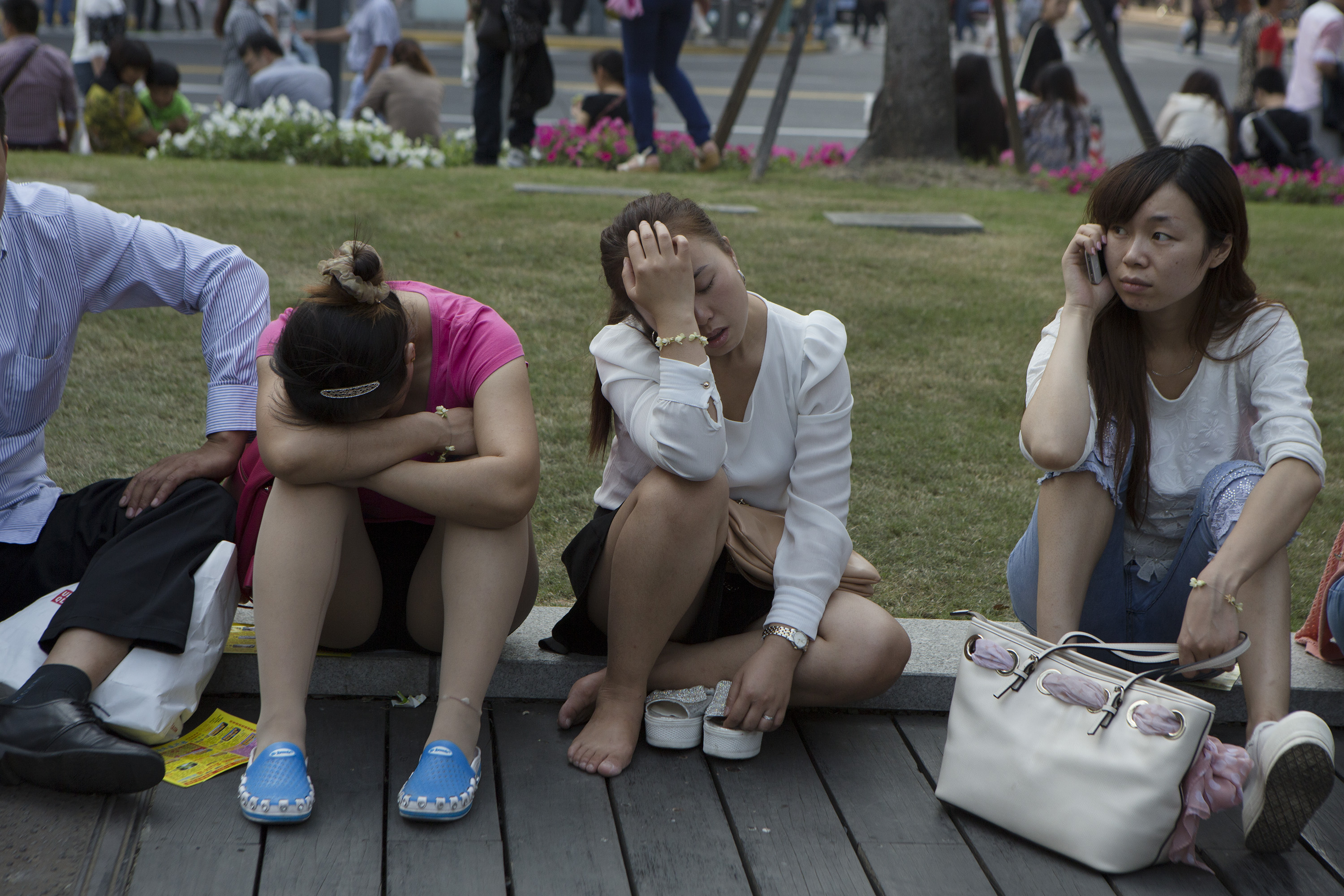
Our first day in Shanghai looked something like this:

Post

Occupy Central with Love and Peace

24 comments

18

5

6

7

8

9

13

14

17

19


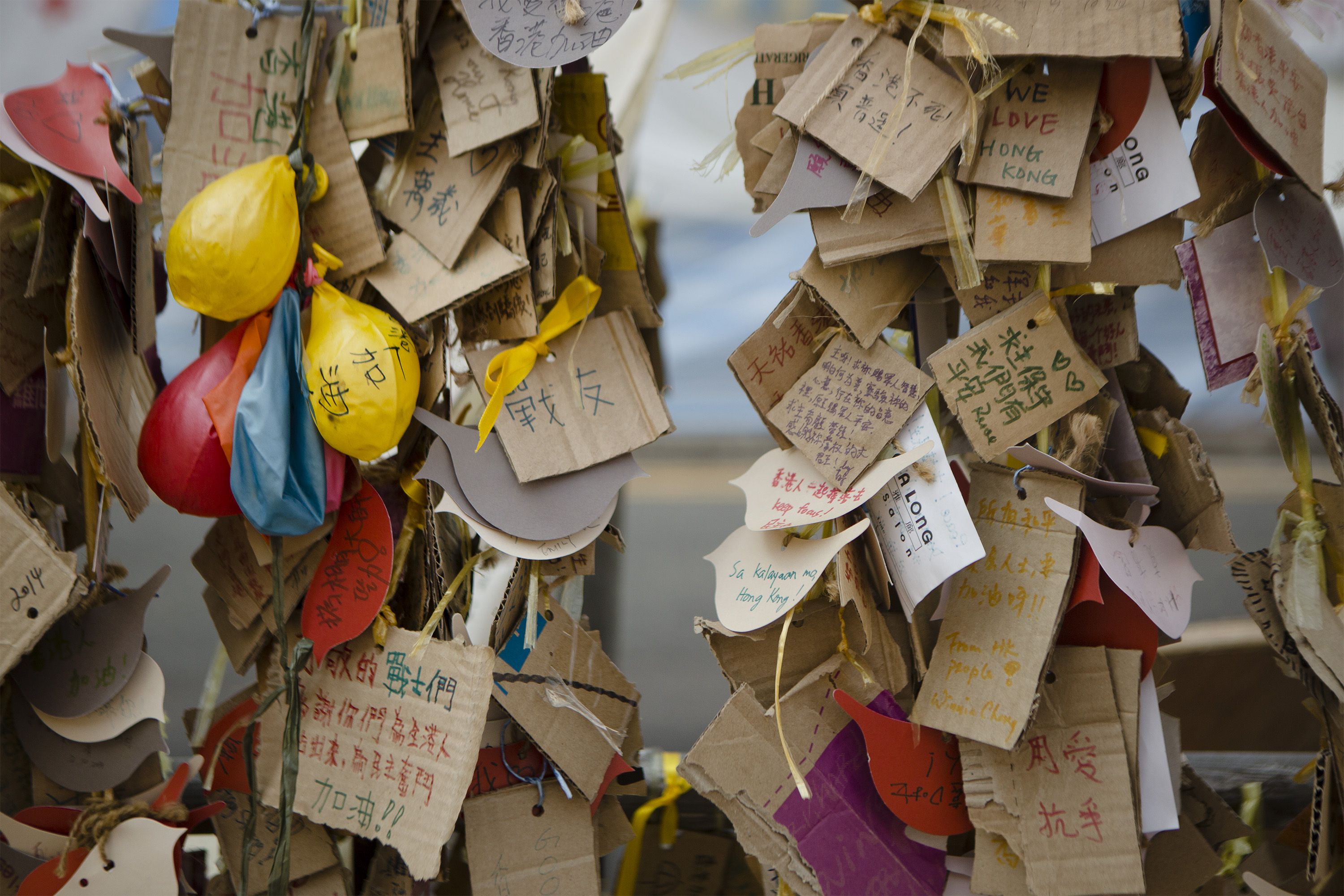
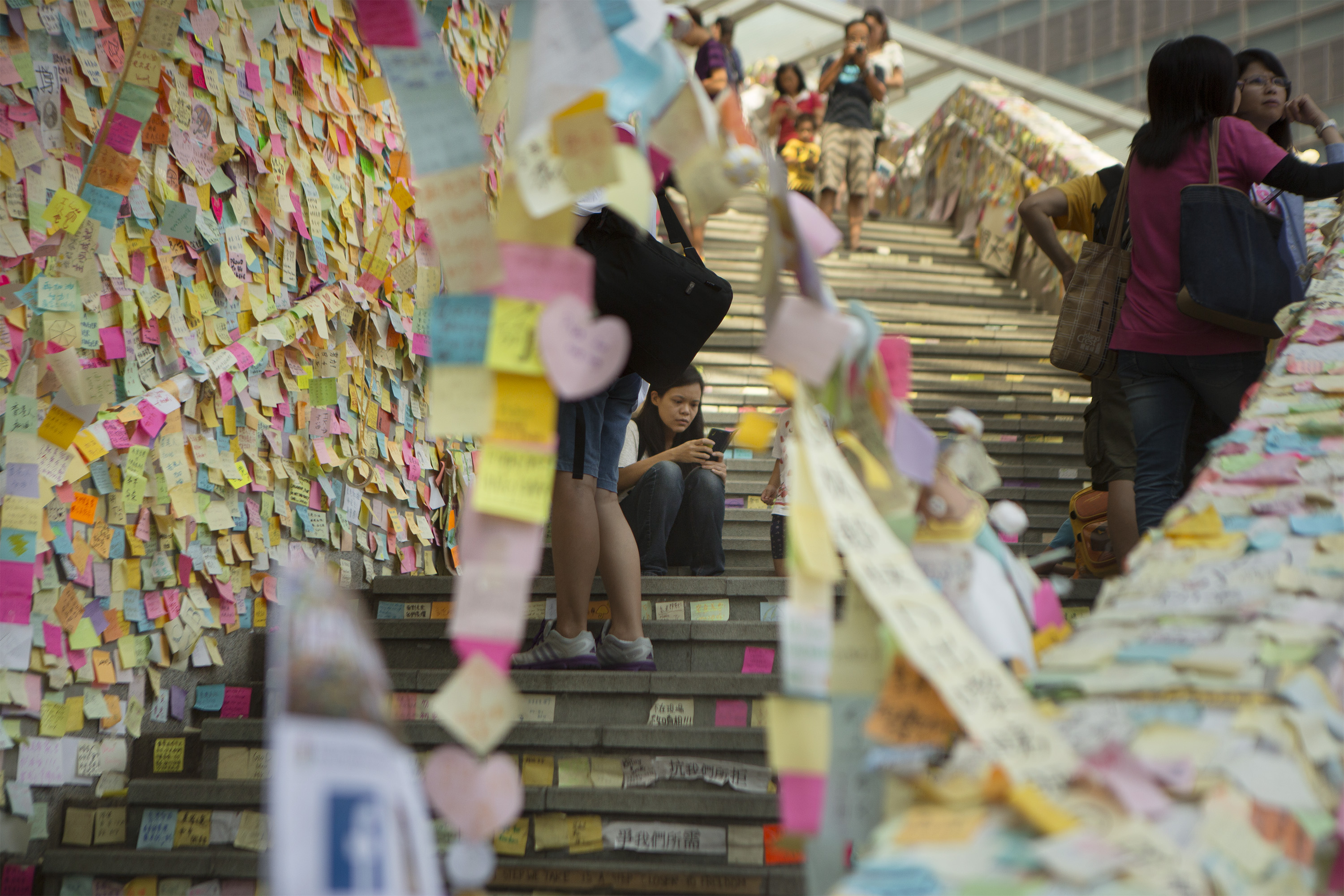
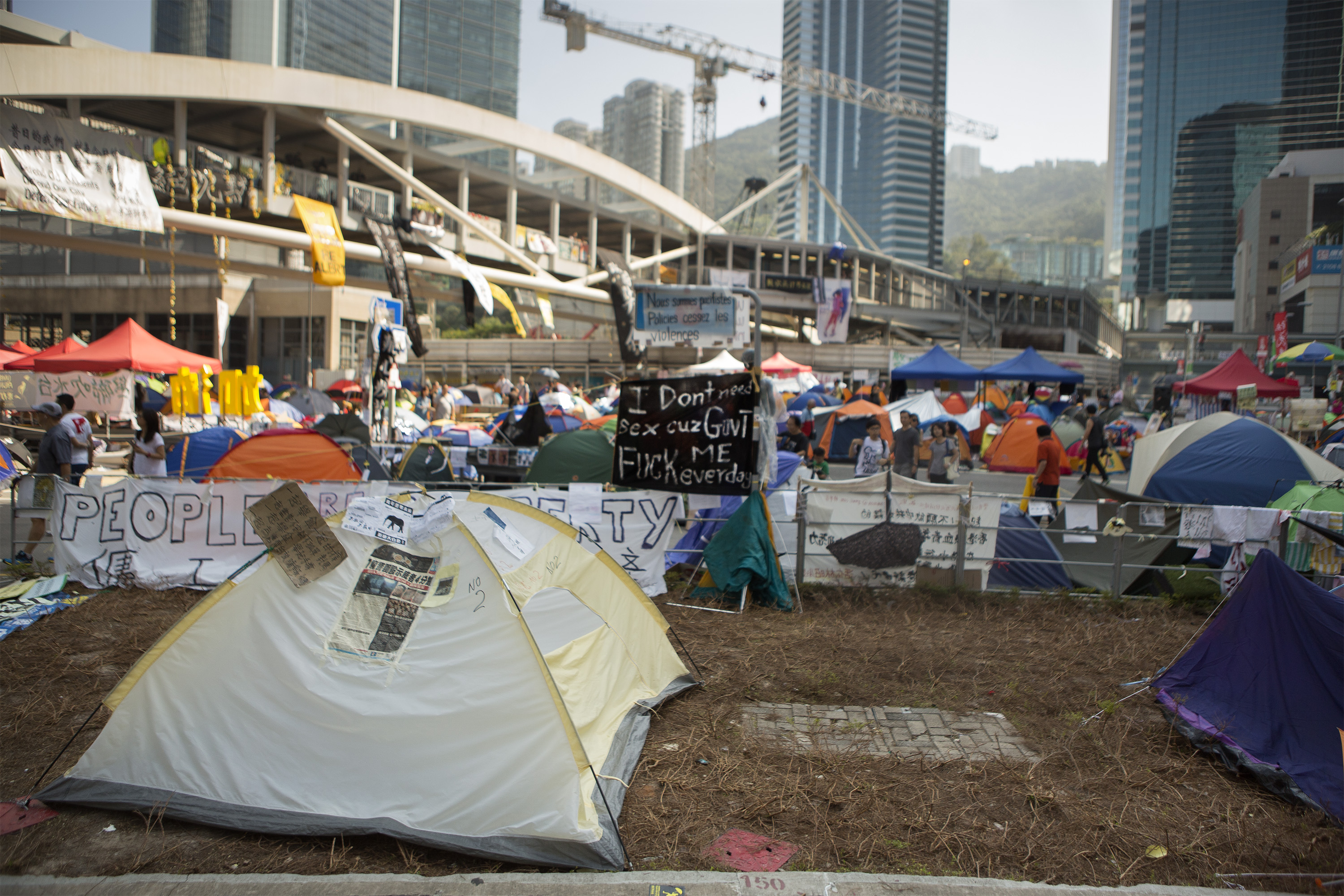
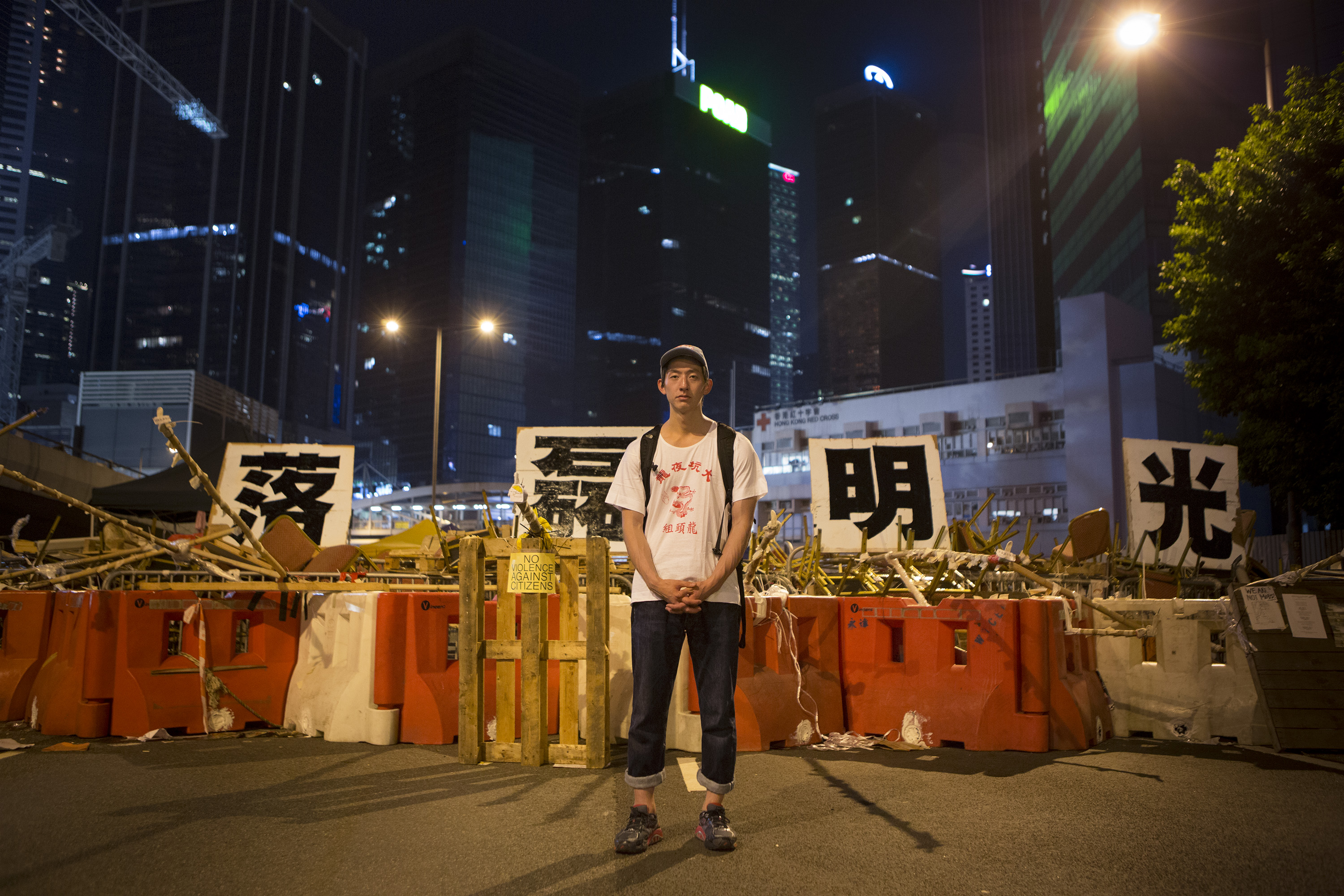
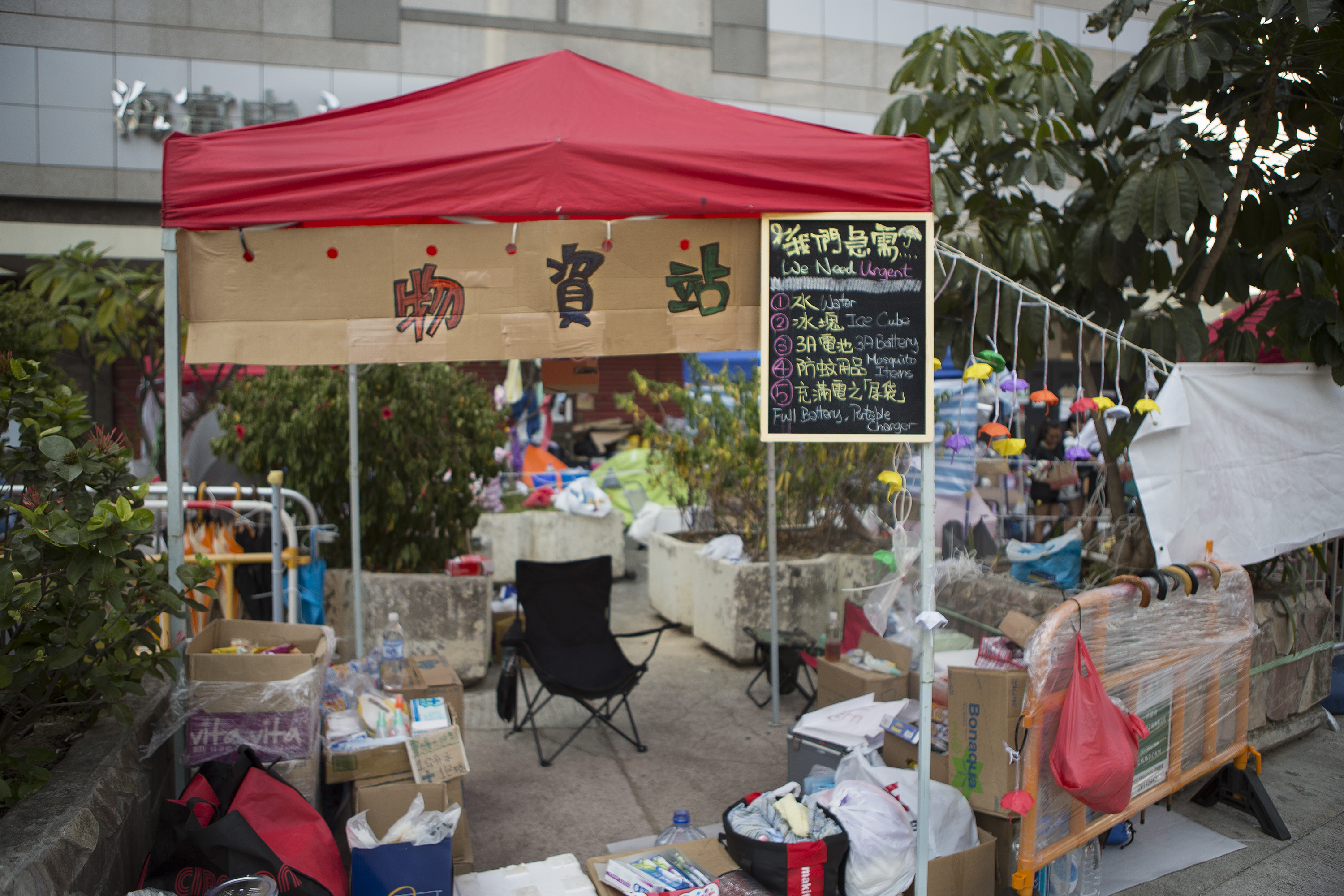
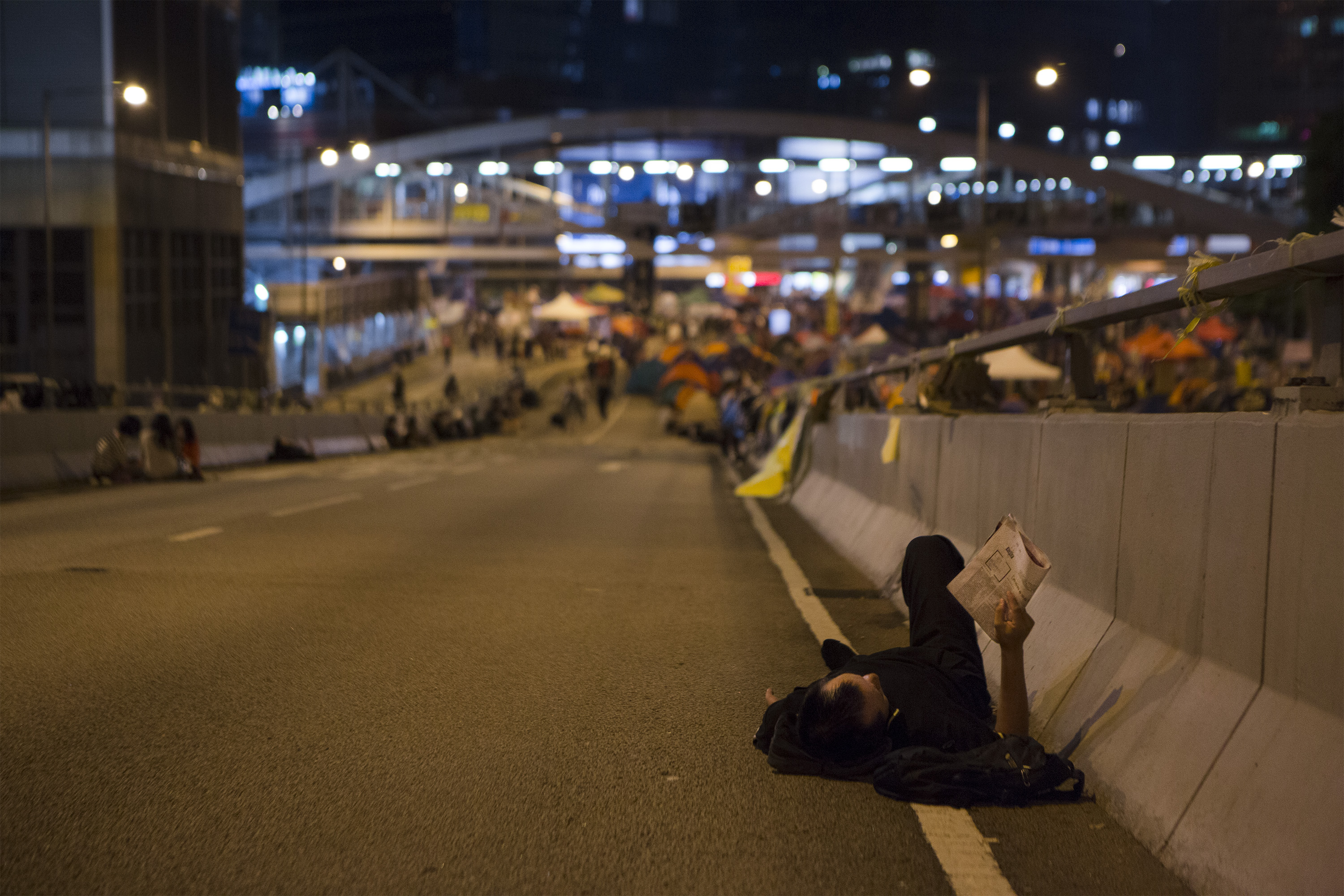
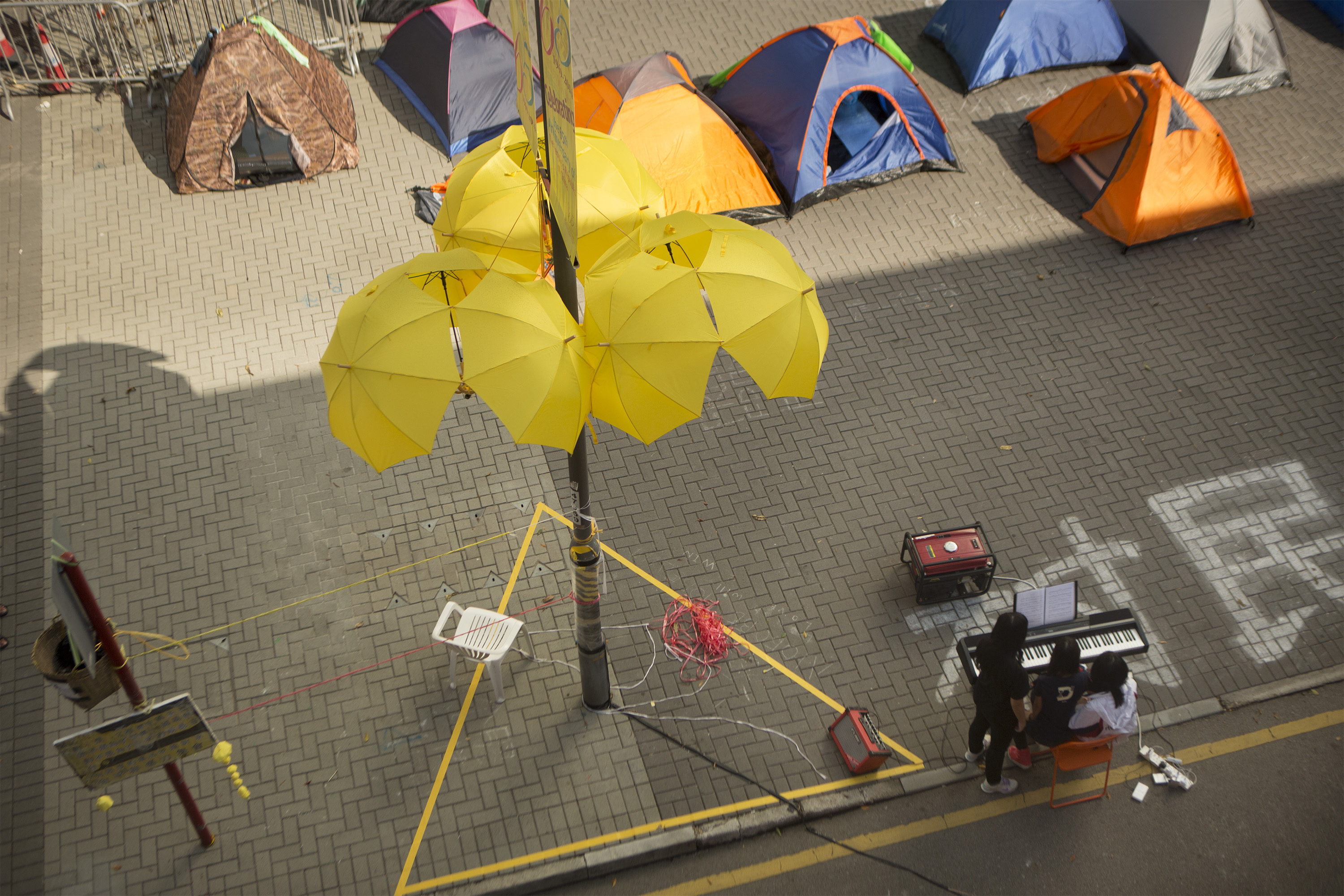
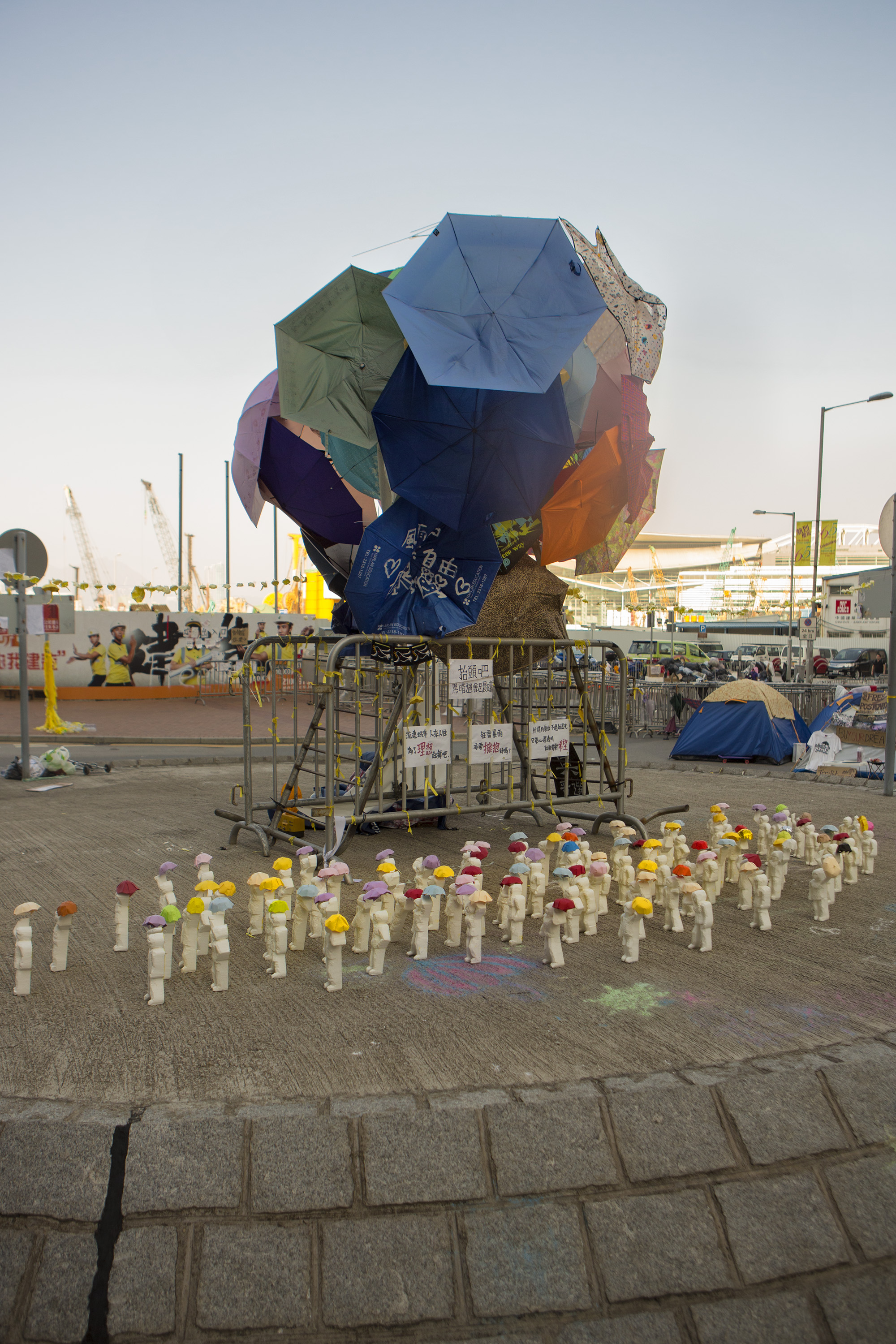
It’s not easy to always have a clear picture, partly because information is distorted by those who own it, partly because misapprehensions are made by those who don’t live it.  So as best as I understand it, this is what’s been happening. In 1997 Hong Kong was returned to China after 150 years of British rule with the promise that in 2017, it would be able to democratically elect a leader, a function of the “one country, two systems” principle that acknowledges Hong Kong as a semi-autonomous state that, unlike Beijing, is not communist.  But as of this year and breaking its promise, China decided that a committee from Beijing was still necessary to appoint its leader (presumably to carryout the interests of the mainland). This violation of basic recognition and political trust rippled through the region as people united in their outrage and took to the streets. Their position stands that Hong Kong citizens deserve the right to a democratic election and society—a right to which they were promised. Instead, they’ve been faced with mounting force tactfully used to villainize and silence the movement. On our fourth day in Hong Kong, we met two 20 year old students walking in Admiralty, a zone of peaceful protesting bustling with door to door single occupancy tents decorating a major highway. They were passing out yellow ribbons for individuals to wear in solidarity with the movement. A few minutes later and our interest piqued, they were wide-eyed spewing their passions and frustrations about the government conspired police perpetrations against the protestors, urging us to stay away from more dangerous areas of protest where the police employ third party triade members to ambush peaceful protesters, often times with harassment and violence. They explained that the peaceful movement was being falsely demonized for refusing reconciliation efforts when in fact it was government representatives that had purposefully missed scheduled negotiations. They confided their concerns for the future—the growing class divide, the increasing unaffordability, and the fissuring culture of Hong Kong. They lamented on the immigration policy that has allowed a fast growing population of mainland immigrants to overwhelm the Hong Kong population, resulting in fewer jobs for Hong kong citizens and exorbitant housing prices. The students worry about their present lives, their future selves, and how they’ll get a job and place to live after college. They seek to be heard, considered, and validated as a member of their own community, condemning the abuse of power and failure of mainland China to recognize Hong Kong’s right to democracy and autonomy. 

A few days earlier in Beijing, my brother and I met for the first time, and my mom for her third, an old friend of my grandmother’s. Uncle Feng Cheng was wistful and stoic, as evidenced from his entirely unexpected yet poignant Christmas letter that we received last Christmas to our Michigan address after decades of lost contact. Dressed each day in tan khaki slacks, a navy wind breaker, and Nike tennis shoes that predate the ’90s, he recounted stories of his impoverished youth, his love of Jane Austen books, and harangued somewhat sarcastically and somewhat seriously about the power and inevitability of cats to mystically possess their owners. We spent an evening in his home, which is sparse but well adorned– turn a corner and you’ll find a collection of classical music records even though there is nothing with which to play them because he has given both of his record players away to friends. The small details, and the big ones—his overt and unfaltering generosity, his openness and warmth, his calm and collectedness reveal a whole,  contemplative and earnest person. In the following days in Beijing and then on our travels back to Hong Kong, we shared brief but resonant discussions of his views about the protests (of which he was not in support but neither vocally opposed). He recounted fleeing with his father to Hong Kong during the Japanese occupation of China at a time when there were only roughly a million people living in Hong Kong. Desolate, removed, and extremely poor, they lived on the beach in a small hut. From an early age he began to memorize lines of English literature on his way to and from school, eventually memorizing whole books at a time. Finally at 16, he left for the states to attend Harvard, and came back two years later to Hong Kong where he’s lived and worked at Hong Kong University ever since. He reflects on this with a certain air of melancholy, emphasizing that he grew up in very dire circumstances but insisting that hard work, above everything else, created opportunity for him. It’s with this conviction that he believes that everyone deserves an opportunity, and, defined by his experience, believes that mainland China is in a very good position to provide everyone with that chance. To him, he sees the economic boom and prosper of his country, a country that not long ago was vastly poor and rural—the empowerment of his people and reform that has transformed living standards, social rights, infrastructure, education, and global involvement & prominence. He believes in the strength of China, in its values and politics that have given rise to a rebirth of a faltering country. He believes in its future for him, for Mainland, and for Hong Kong. His experience is as genuine as the students’ handing out ribbons of solidarity in Admiralty, both equally as valid and supported by experience and passion.

I personally don’t know enough of the history or current political climate to make a claim as to who’s more “right” or “wrong,” but see the purpose in at least trying to understand the emotional and intellectual reasons that affect both sides of this or any conflict, because undoubtedly if you don’t no progress will ever be made.